5 Signs You Might Be Deficient In Iron
If you’ve been feeling “off” lately but can’t quite put your finger on why, you’re not alone. Many runners walk around with subtle (and sometimes not-so-subtle) symptoms that never quite add up, until they realize they may be missing a key nutrient.
In many distance runner journeys, iron is one of the most common deficiencies I see, especially in female runners.
Iron deficiency can affect nearly every system in the body, and while it can show up in obvious ways for some, others experience more vague or lingering signs that are easy to dismiss or blame on being “busy,” “stressed,” or just getting older.
In this blog post, I’m breaking down 5 signs you might be running low on iron, plus how to recognize the signs, why they matter, and what you can do to feel more like yourself again.
Want a fueling plan that’s as personalized as your training plan?
Inside my Endurance Essentials Program, I’ll show you exactly how to fuel for marathon training, prevent underfueling, and run your strongest race yet.
Sign #1: You’re Always Tired (Even When You’ve Slept Well)
It’s one thing to feel tired after a long week, but constant fatigue, even after resting can signal something deeper.
What it could look like:
You’re getting enough sleep but still wake up groggy. You rely on caffeine to function and feel mentally drained by early afternoon. It may feel like no amount of rest fully “restores” you.
Why it might be connected to iron:
Your body depends on nutrients to convert food into energy. Iron plays a central role in oxygen transport (via hemoglobin) and in cellular energy production (mitochondrial enzymes). When levels are low, oxygen delivery and energy metabolism slow down, leaving you feeling sluggish, unfocused, or heavy—even if you’re technically doing everything “right.”
What you can do:
If you’re noticing any of these symptoms, here are some things you can do:
Track when your fatigue hits hardest (mornings, post-meals, mid-afternoon). Keep a simple log for 1–2 weeks to spot patterns, and include sleep hours, workout intensity, and menstrual cycle phase if applicable.
Ensure consistent fueling before, during, and after workouts. Aim for a balanced pre-run snack with carbohydrate and a small amount of protein about 60–90 minutes before harder sessions; include carbs and protein in your recovery within 30–60 minutes after tough efforts.
Prioritize iron-rich meals at least once daily. Include a bioavailable iron source (red meat, canned sardines, chicken liver, or iron-fortified cereal) combined with a vitamin C source (orange, bell pepper, kiwi) to boost absorption.
Space out calcium and high-fiber supplements from iron-containing meals by 2 hours, as calcium, phytates, and some polyphenols can inhibit iron uptake.
Consider an iron blood test with your doctor (ferritin, CBC, transferrin saturation). Fatigue is multi-factorial, but lab testing helps rule in or out iron deficiency.
Review total training load, fuelling and recovery. Chronic underfuelling and/or under-recovery can mimic deficiency symptoms; reduce intensity briefly if fatigue is profound and work with a coach to periodize load.
Sign #2: Changes in Skin, Hair, or Nails
You might not associate external changes with internal imbalances, but they often go hand in hand.
What it could look like:
You notice more hair shedding, breakouts, brittle nails, or a dull, uneven skin tone. These shifts may develop slowly and seem unrelated at first.
Why it might be connected to iron:
When nutrients are limited, your body will prioritize survival functions over cosmetic ones. Skin, hair, and nails often reflect what’s happening internally, especially when it comes to nutrient availability, circulation, and repair. Iron deficiency can reduce oxygen delivery to hair follicles and skin cells, impairing growth and repair and leading to thinning hair, slow nail growth/brittleness, and pallor or dryness.
What you can do:
If you’re noticing any of these symptoms, here are some things you can do:
Increase gentle protein and iron intake. Hair and nails are made of protein (keratin); pair iron-rich foods with protein sources (e.g., lean beef + quinoa salad, lentil soup with chicken).
Add vitamin C-rich foods to every iron-containing meal. Examples: squeeze lemon on spinach, have strawberries with fortified cereal, or slice bell pepper into your sandwich — vitamin C increases non-heme iron absorption substantially.
Avoid excessive washing or harsh chemical treatments while replenishing. Minimize heat styling, aggressive brushing, or frequent bleaching that can aggravate hair and nails already compromised by low nutrients.
If you’ve been tested work with a doctor to supplement thoughtfully if labs show deficiency.
Address other skin-care contributors. Hydration, B vitamins, omega-3 intake, and adequate zinc can support skin and hair while you correct iron levels.
Be patient—tissue repair takes time. Hair and nail changes may lag behind lab improvements by several months; consistent nutrition and follow-up labs are key.

Improve your hair, skin and nails
Incorporate fatty fish, flax, or chia and routine hydration into your day.
Sign #3: Feeling Foggy and Unfocused
You might first notice signs of deficiency through changes in your focus, memory, or mood.
What it could look like:
You forget details, can’t concentrate for long, or feel like you’re in a mental haze. You might feel slower processing thoughts or lose motivation for tasks that used to feel easy.
Why it might be connected to iron:
Iron is essential for neurotransmitter synthesis (like dopamine and serotonin), myelin production, and overall brain energy metabolism. Low iron can impair cognitive speed, executive function, and mood regulation—especially noticeable during prolonged mental or physical exertion.
What you can do:
If you’re noticing any of these symptoms, here are some things you can do:
Time iron-rich meals around cognitively demanding tasks. Include a vitamin C source to support absorption (e.g., turkey and spinach wrap + orange slices before study or work blocks).
Keep steady carbohydrate availability for brain function. Low blood sugar worsens concentration; snack smartly with blends of carbs and protein (rice cakes + peanut butter, apple + cheese).
Monitor the menstrual cycle’s influence. For menstruating runners, cognitive symptoms may worsen premenstrually or during heavy flow—track symptoms alongside cycle to share with your doctor.
Optimize sleep and caffeine timing. Short-term caffeine helps focus but can interfere with iron absorption if consumed with iron-rich meals; try to consume coffee/tea at least 1 hour before or 2 hours after iron-containing foods or supplements.
Consider targeted micronutrient checks. Beyond ferritin and hemoglobin, B12, folate, vitamin D, and thyroid function can affect cognition and often coexist with fatigue—work with your doctor to test as needed.
Use short cognitive-rest strategies during runs. If brain fog impacts ability to pace or execute workouts, include short walk intervals or mental cues to keep workouts safe while you assess labs.
Sign #4: Runs Feel Harder Than They Used To
Getting through your workouts isn’t always about willpower. Sometimes, your body just doesn’t have the fuel it needs.
What it could look like:
You feel winded faster than usual. Your muscles fatigue quickly. Recovery takes longer. Even light movement, like walking up stairs, can feel more difficult than it used to.
Why it might be connected to iron:
Iron is crucial for hemoglobin formation (oxygen transport) and for enzymes in mitochondrial energy production. Low iron reduces aerobic capacity, meaning your body struggles to deliver and use oxygen efficiently during exercise. For runners, this directly affects VO2, lactate threshold, and perceived exertion.
What you can do:
If you’re noticing any of these symptoms, here are some things you can do:
Reduce intensity and volume temporarily while you investigate. A few weeks of reduced load (less intensity, slightly shorter sessions) helps prevent injury and gives your body space to recover while you assess iron status.
Include iron-containing foods especially on higher-volume days. Plan an iron-rich dinner after long runs or intense sessions to help recovery—examples: beef stir-fry with dark leafy greens, chicken liver pâté on whole-grain toast, or a lentil and sweet potato bowl with citrus dressing.
Prioritize post-workout recovery strategies that support iron metabolism. Adequate sleep, protein for muscle repair, and anti-inflammatory foods (berries, fatty fish, turmeric) reduce recovery stress and support rebuilding.
Avoid habitual NSAID use around heavy training. NSAIDs can contribute to gastrointestinal blood loss in some athletes; if you rely on them frequently, discuss alternatives and testing with your clinician.
Get targeted lab testing before increasing training load. Baseline ferritin, hemoglobin, and possibly transferrin saturation help determine whether you can safely and effectively resume higher training intensity.
Consider iron supplement timing. If you are recommended supplementation, follow dosing and timing guidance tailored to athletes—sometimes alternate-day dosing is better tolerated and as effective as daily dosing for increasing ferritin.
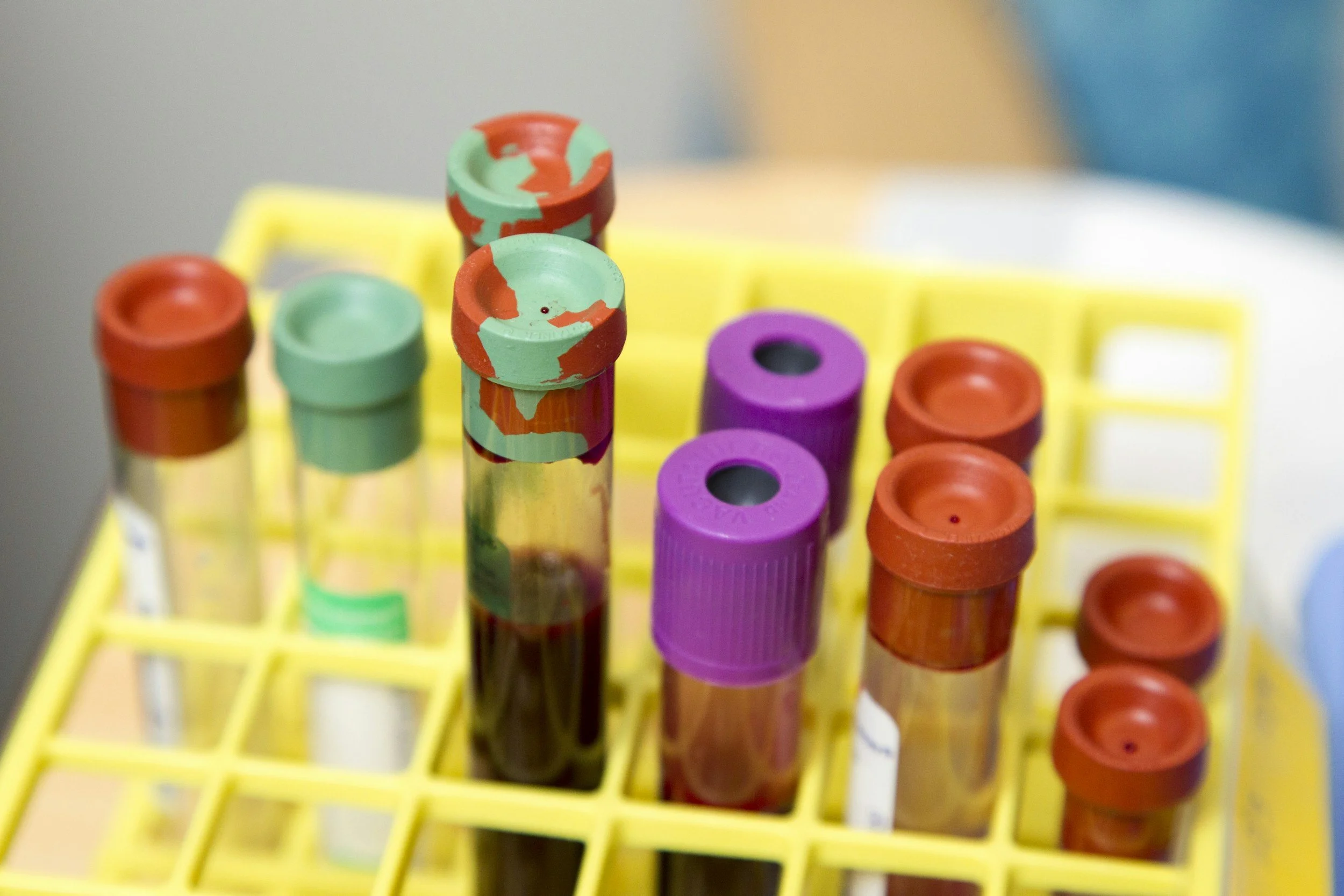
If you’re not sure, get tested
Request ferritin, CBC, and transferrin saturation (or iron studies) if you suspect deficiency.
Sign #5: You’re Dealing with Frequent Aches and Pains
When nutrient stores are low, discomfort can build gradually and be easy to ignore, until it’s not.
What it could look like:
You experience recurring headaches, body tension, or general aches that aren’t linked to injury. They might not be intense, but they’re persistent.
Why it might be connected to iron:
Deficiencies can affect blood flow, inflammation, muscle recovery, and nerve signalling—all of which can contribute to chronic discomfort. Poor oxygen delivery and slower cellular repair can manifest as low-grade aches, muscle cramps, or tension headaches, especially with frequent or prolonged training.
What you can do:
If you’re noticing any of these symptoms, here are some things you can do:
Track pain patterns and possible triggers. Note time of day, relation to activity, hydration, and food intake to help differentiate menstrual, training, hydration, or nutrient-related patterns.
Address hydration and electrolyte balance. Low iron combined with poor hydration or electrolyte imbalance can worsen muscle cramps—prioritize consistent fluid intake and include sodium, potassium, and magnesium sources when training heavily.
Use active recovery to reduce persistent tightness. Gentle mobility work, foam rolling, and low-intensity aerobic recovery help increase circulation and accelerate repair without adding training stress.
Evaluate footwear and biomechanics. New or worsening aches during running can be from altered biomechanics due to fatigue. Try lessening your load, check your gait, and consult a running specialist if aches persist.
Get lab testing and professional help if aches continue. Chronic headaches and unexplained muscle pain warrant evaluation—tests for iron status, thyroid, and inflammatory markers can guide treatment.

Just ask!
I love helping clients develop meal plans that pack all the nutrients that they need into meal plans and recipe books!
You Don’t Have to Guess What Your Body Needs
These signs aren’t random, and they’re not something you just have to live with. With the right support, you can get to the root of what your body needs and take small steps toward running faster and finishing stronger.
Your body is always communicating with you. The more you learn to listen, the easier it becomes to support your health in ways that actually work.
Practical Meal and Routine Tips for Busy Runners
Weekly planning: Plan 2–3 iron-focused meals per week with easy templates:
beef chili, lentil curry, or roasted sardines + potatoes.
Batch cook and portion to remove decision fatigue.
Snack swaps: Choose iron-boosting snacks like:
trail mix with pumpkin seeds, dried apricot with Greek yogurt
hummus with red pepper
Tea & coffee timing: Move tea/coffee at least 60–90 minutes away from iron-rich meals or supplements to avoid blocking absorption.
Cooking tip: Use a cast-iron skillet for some dishes—cooking acidic foods (tomato sauce) in cast iron can modestly increase iron content.
Pairing combo: Always pair a non-heme iron source (beans, lentils, spinach) with vitamin C.
lentil salad with lemon-tahini dressing + cherry tomatoes.
Supplement strategy: If supplementing, consider split dosing or alternate-day dosing to improve absorption and reduce gastrointestinal side effects—follow medical guidance and recheck labs after about 8–12 weeks.
Period-aware fueling: Track your menstrual cycle and plan higher-iron meals in the luteal phase and during menstruation if you have heavy flows. Include extra calories and carbs around long runs during these weeks to support recovery.
When to See a Doctor or Specialist
If you’re experiencing persistent fatigue, breathlessness with exertion, palpitations, dizziness, or fainting—seek medical evaluation.
Request ferritin, CBC, and transferrin saturation (or iron studies) if you suspect deficiency. Ferritin is the best initial marker for iron stores but interpret in context (it’s an acute-phase reactant and can be elevated during inflammation).
For runners, consider testing at baseline pre-season and during heavy training blocks, or anytime symptoms emerge.
Work with a sports nutritionist and/or your coach to adjust fueling and training plans while labs are being investigated.
If oral iron causes intolerable side effects or ferritin fails to rise with oral therapy, consult your doctor about alternative dosing, IV iron, or further investigation for blood loss or absorption issues.
What to Expect Once You Start Repleting Iron
Symptom timeline: Energy and brain fog often improve within a few weeks for many people, but full restoration of ferritin and hemoglobin can take 2–6 months depending on severity and treatment approach.
Patience required: Hair and nail recovery lag behind blood improvement; noticeable changes in hair thickness or nail strength may take several months.
Reassessment: Recheck ferritin and hemoglobin about 8–12 weeks after starting therapy (or as recommended by your clinician) to ensure levels are rising and to guide ongoing dosing.
Long-term strategy: Once stores are adequate, maintain with dietary sources and periodic monitoring, especially during heavy training seasons, pregnancy, or times of heavy menstrual bleeding.
Final notes
If several of these signs resonate, don’t wait to investigate. Iron deficiency is common and treatable, and addressing it can restore performance, mood, and daily functioning. Small adjustments to diet, training, and recovery—paired with appropriate testing and guidance—can make a dramatic difference in how you feel on and off the run.
You don’t have to perform below your potential. With targeted steps, support, and time, you can rebuild your iron stores and get back to enjoying runs that feel strong and sustainable.
Like this post and want to read more? Check out my other resources: